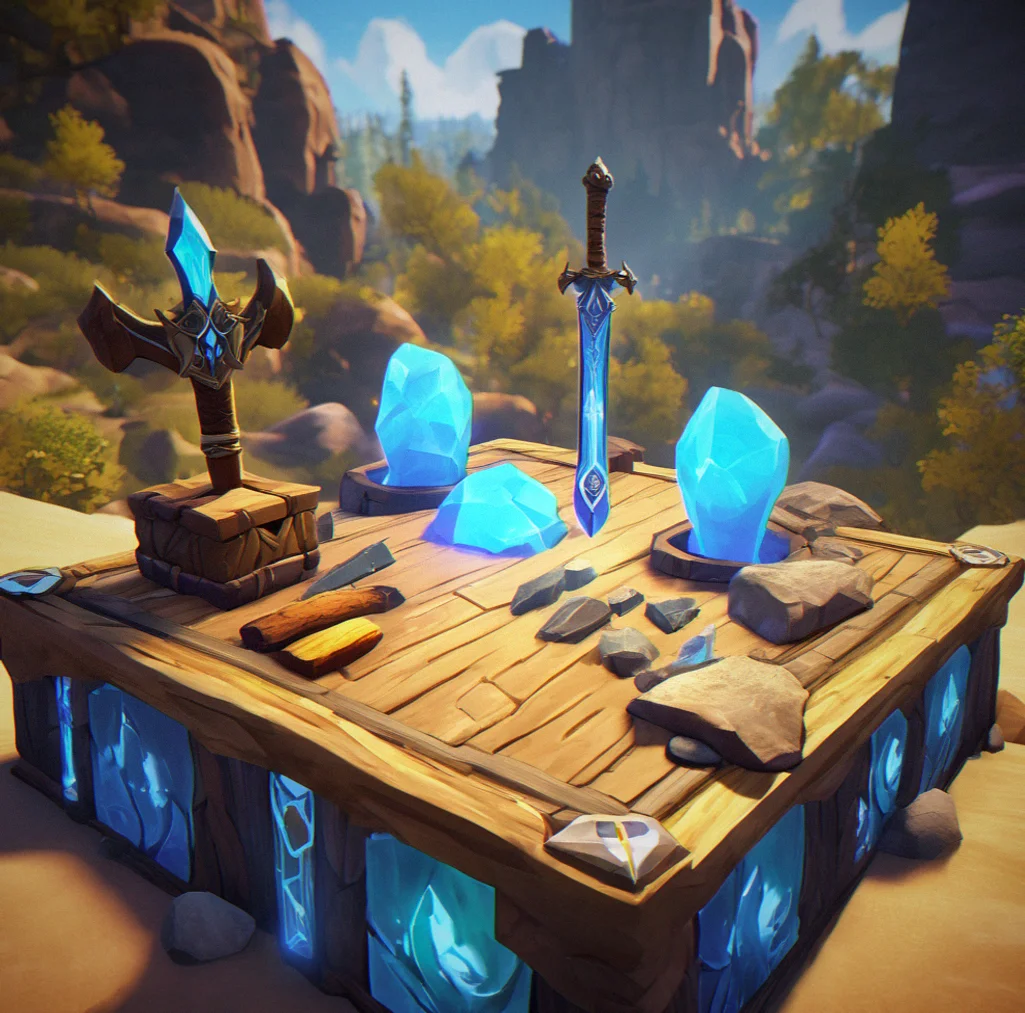
CRAFT
Survival. Crafting. Economy.

Mine ore. Make better tools. Keep moving forward.

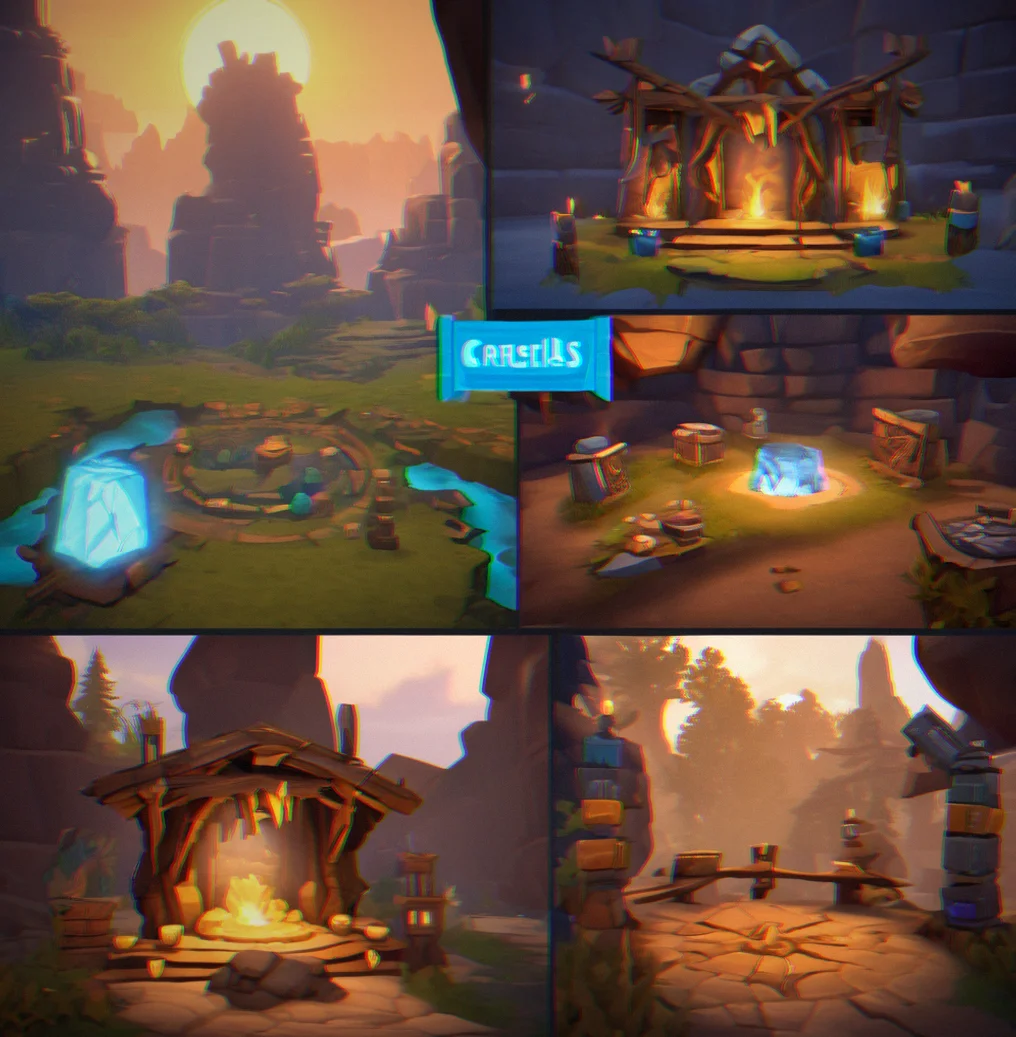
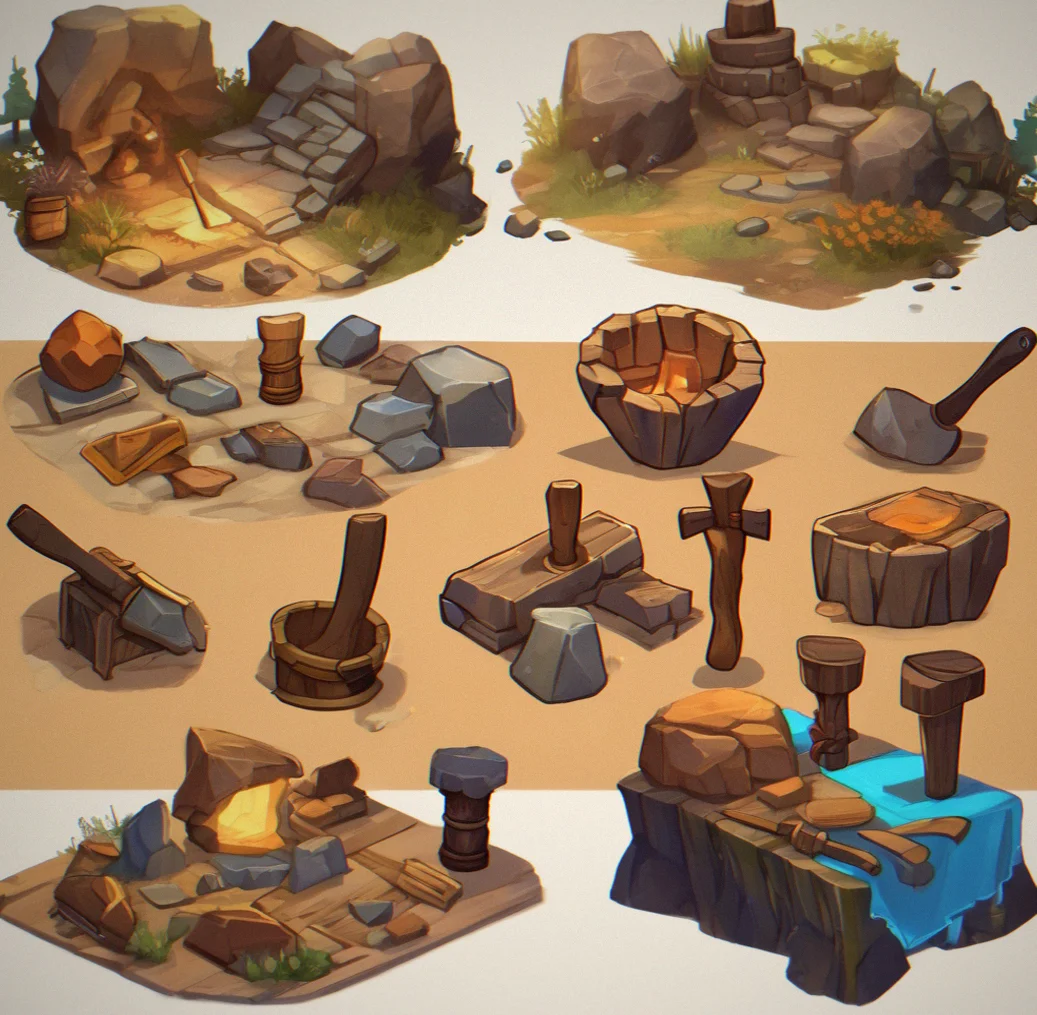
Materials from different biomes actually do different things. Forest wood burns hotter. Volcanic ore stays sharp longer. Deep crystals fuel enchantments.

You begin with stone and branches. A few hours in you're smelting copper. By the middle of the first day you're hunting volcanic ore and deciding which rare material to chase next. The system feeds everything you gather into a tiered crafting loop where each tool you build unlocks what you can harvest next.

Three biomes, each with their own materials and purposes. Intermediate weapons run about three times longer than basic gear. Rare enchanted items take 40 minutes or more of grinding and crafting to get. On a server, what you make has actual value. Someone else wants that sword.

Exploration isn't optional. Recipes are hidden out there. You find out deep-cave crystals glow on their own. You stumble into a field and realize mushrooms only grow in one spot. The game shows you how things work instead of explaining it.

Download ClearcraftView Crafting System
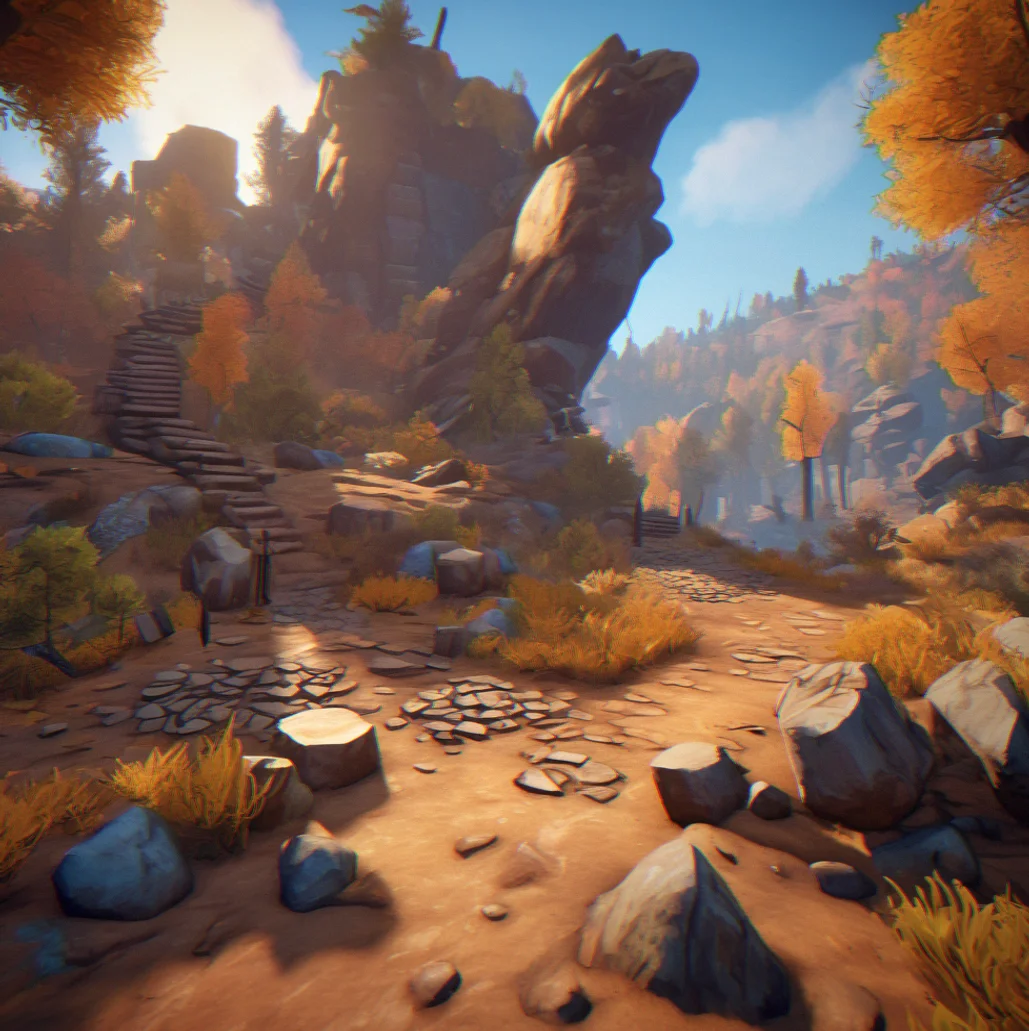
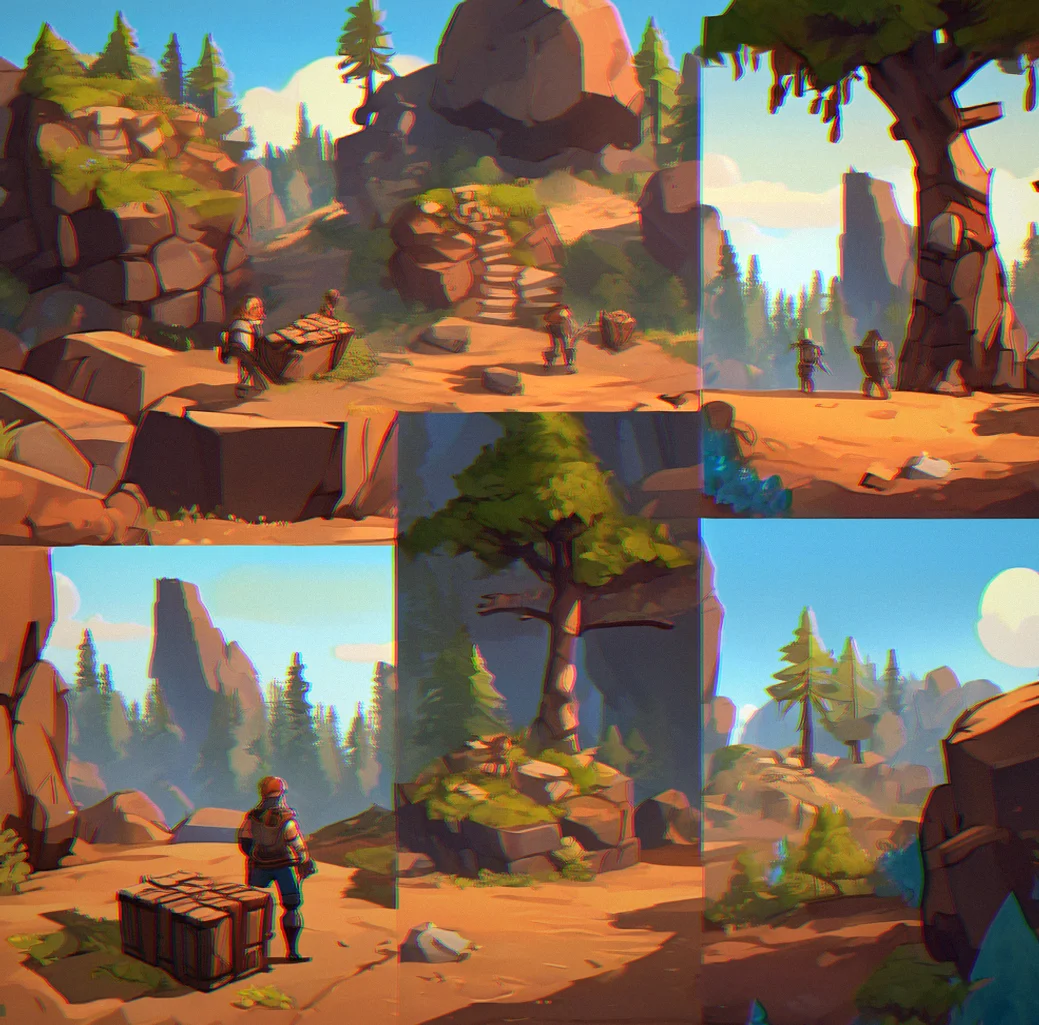
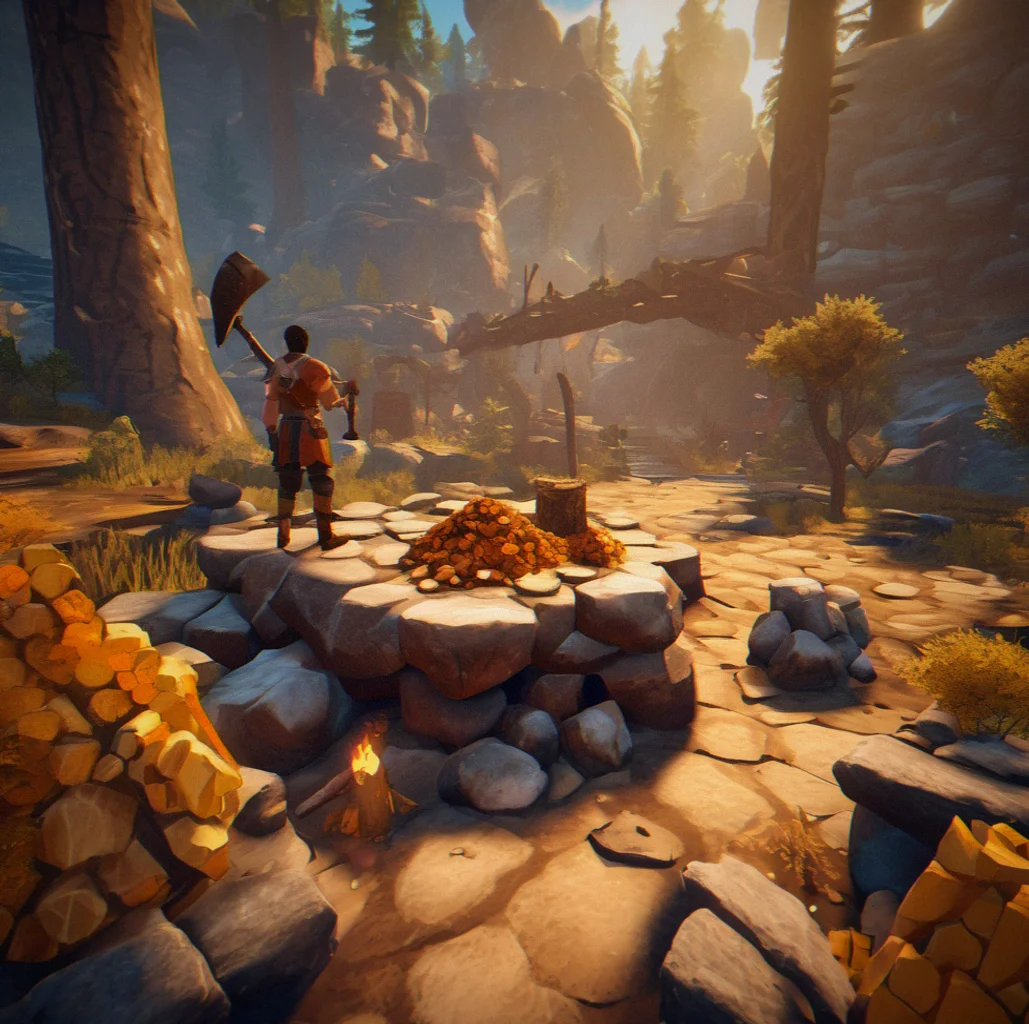
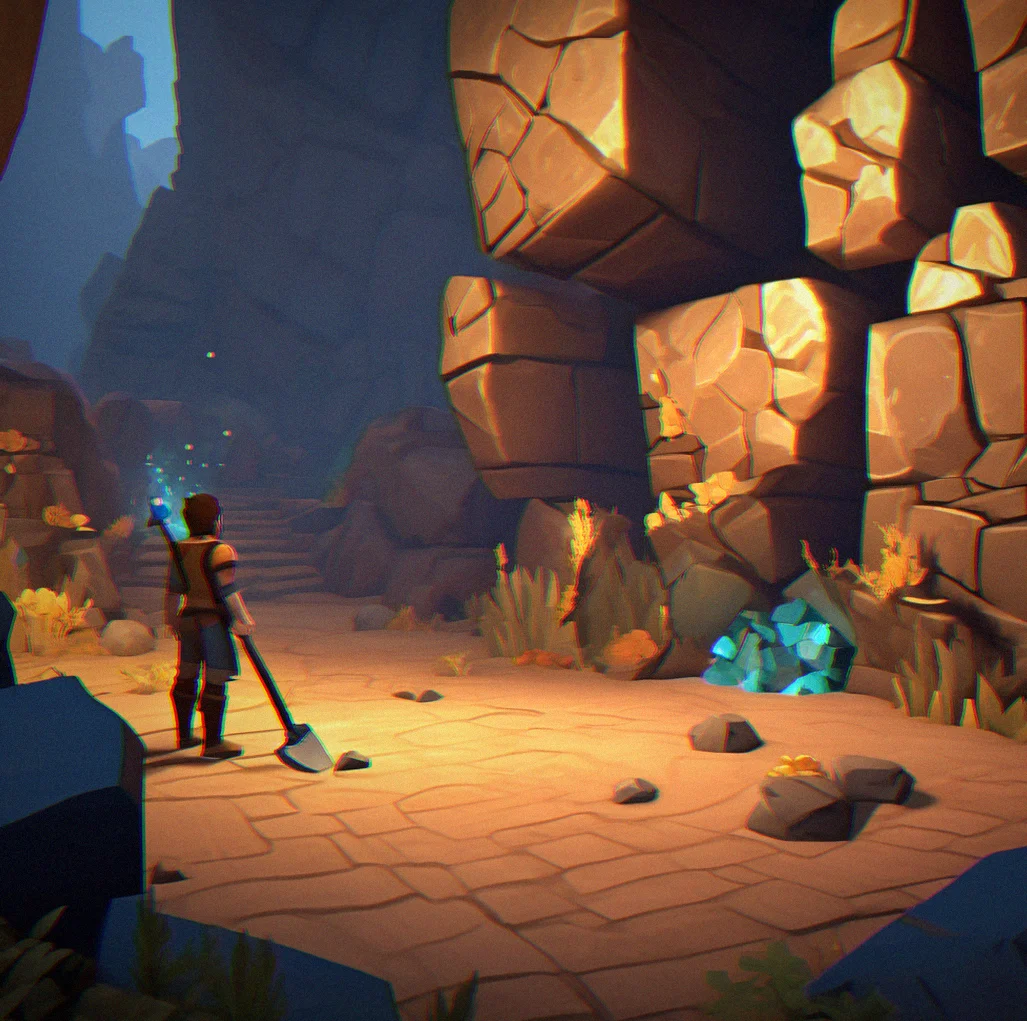
Player standing in forest clearing with a crafted axe, ore deposits visible in the rocky ground nearby
Exploration & Gathering

Each biome teaches you something different

Why does a material work great in one place and Fall apart in another? It comes down to density, burn temperature, how it Reacts to tools you haven't made yet. The forest Gives you wood that catches fire instantly but burns through fast—solid for early smelting. Volcanic regions produce ore that holds heat and lasts way longer, though you need better tools to pull it out. Deep caves have crystals nowhere else exists, and getting them takes Real planning and a good reason to go that far down.

You'll be back in the forest constantly those first twenty hours or so. Grab whatever oak, pine or birch you can find. The real issue is figuring out what you're gathering it for. Once you answer that, you realize you need stuff from somewhere completely different. The game pushes you out. Makes you learn the map.

What actually shifts everything is that biome materials don't work the same way. A sword from volcanic ore handles completely different from one made with standard metal you find near spawn. The ore smelts hotter, keeps its edge longer, feels right when you swing it. That's not just flavor. That's actual mechanical difference woven into where you decide to spend your time gathering.

4distinct bioome regions to explore and gather from
around 40 minutesaverage crafting time for rare enchanted tier items

Forest Biome

Wood, copper ore, and everything else you need to start. You'll come back constantly for basics and fuel.

Volcanic Region

High-end ore that needs serious heat to smelt. Terrain is rough. You need decent gear to harvest anything worthwhile.

Deep Caves

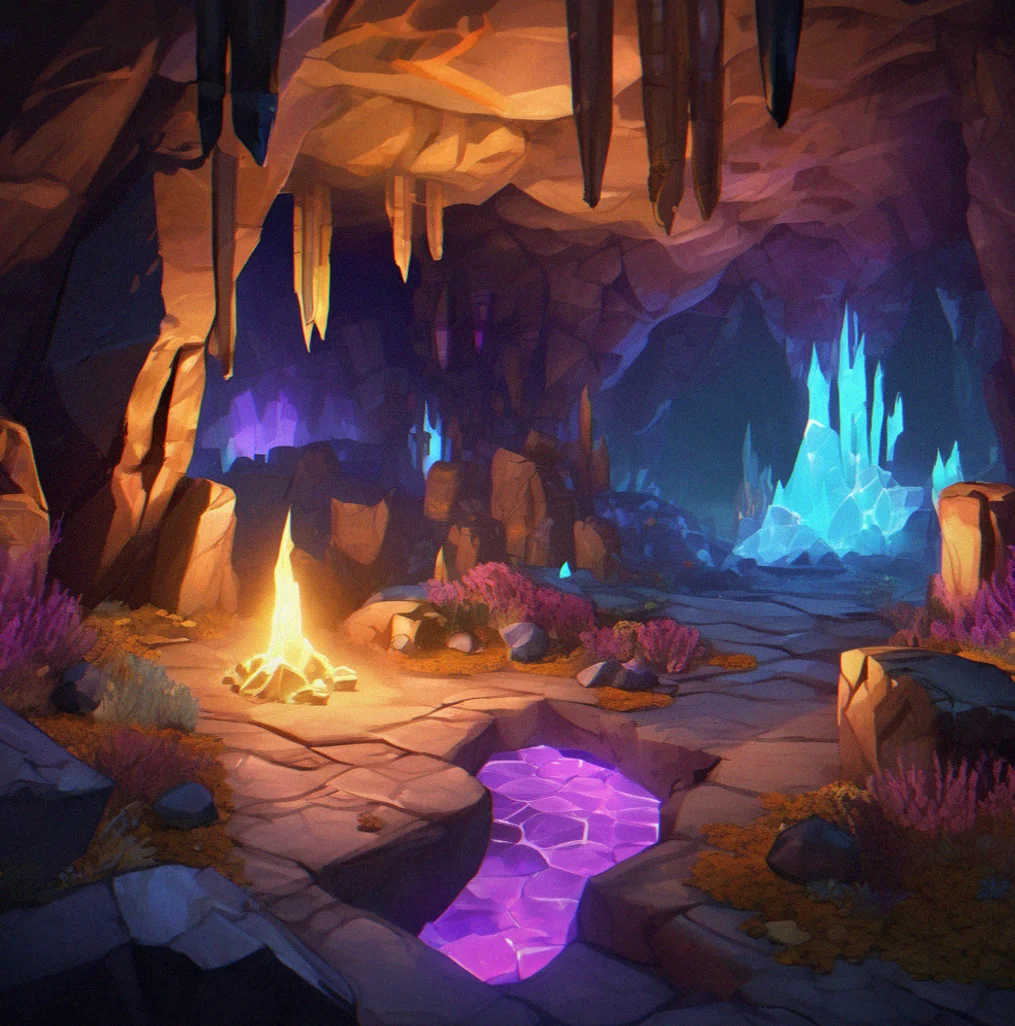
Rare crystals and enchantment materials live down here. No light. Best rewards also mean highest risk.

Marshlands

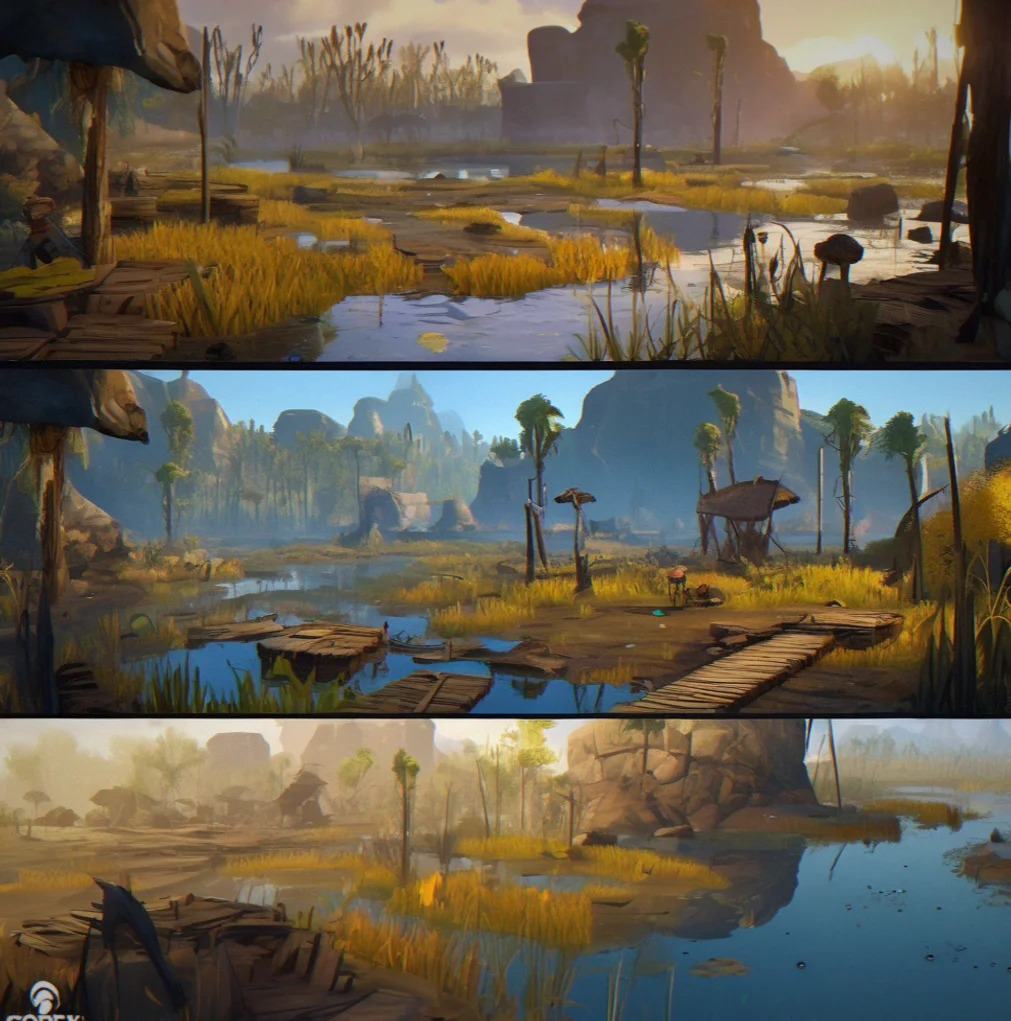
Bog iron, unusual plants, water that will kill you. Flat ground means you can move fast and gather a lot.

Resource Trading

On multiplayer servers, people will pay for what you gather. Farm for yourself or turn it into profit. The economh is whatever players make it.
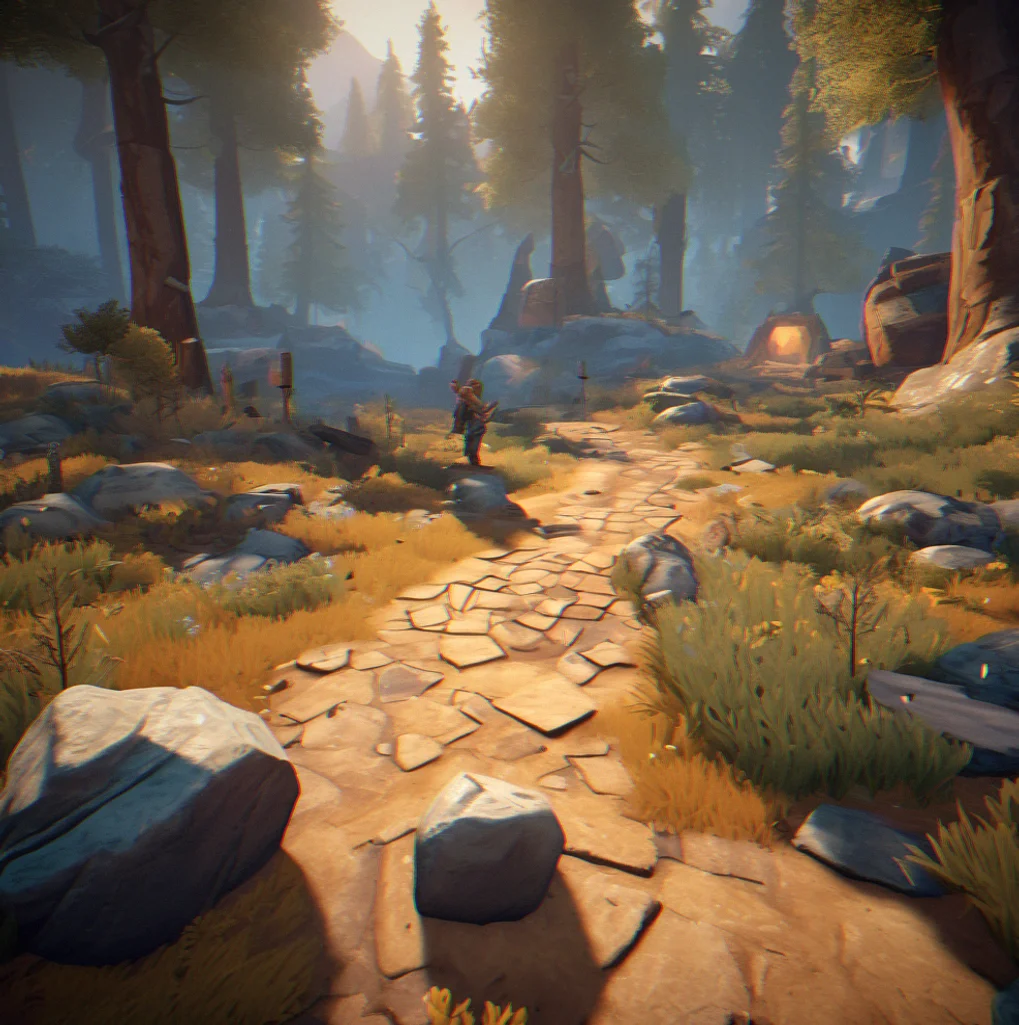
Here's what you actually end up with

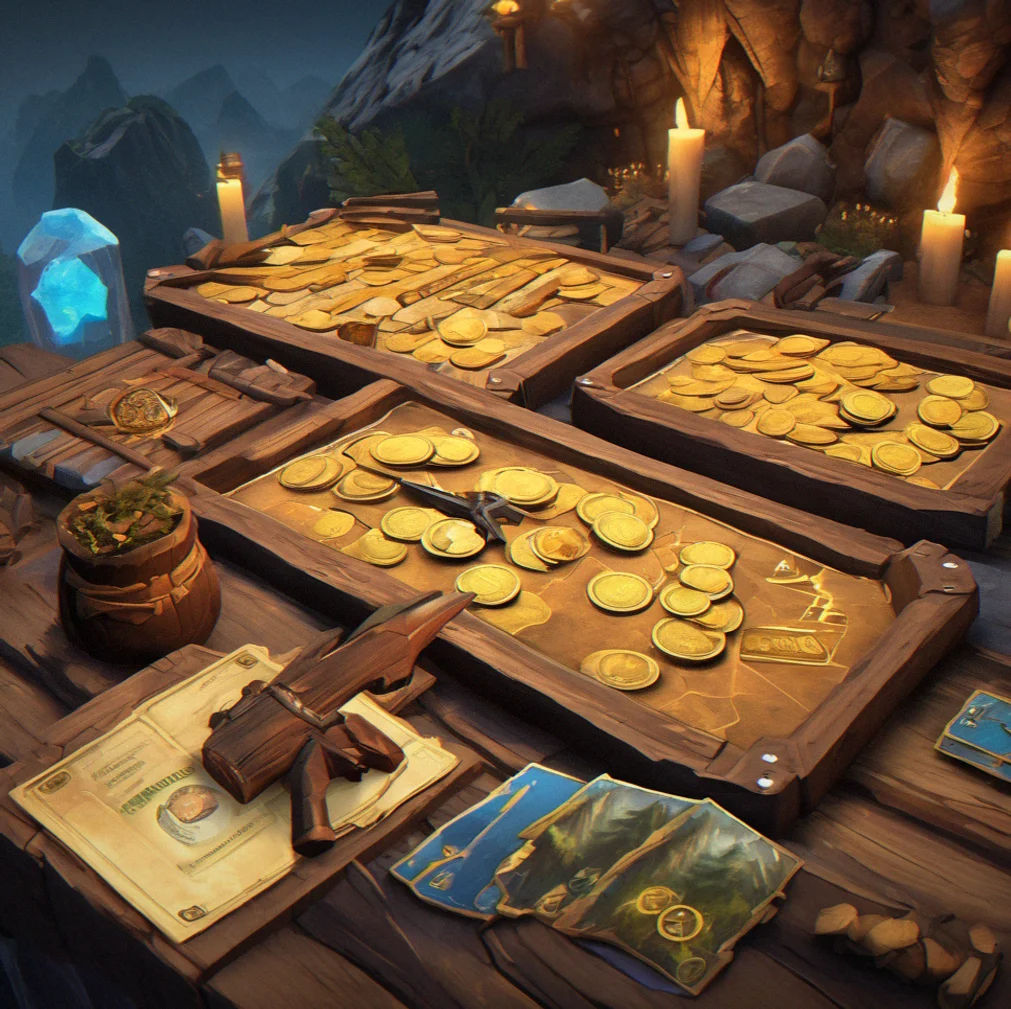
You start with rocks and sticks, then gradually work your way up to gear that actually has magic on it. Totally different power levels, totally different stats. This is what the first 20 hours or so of grinding and building feels like.

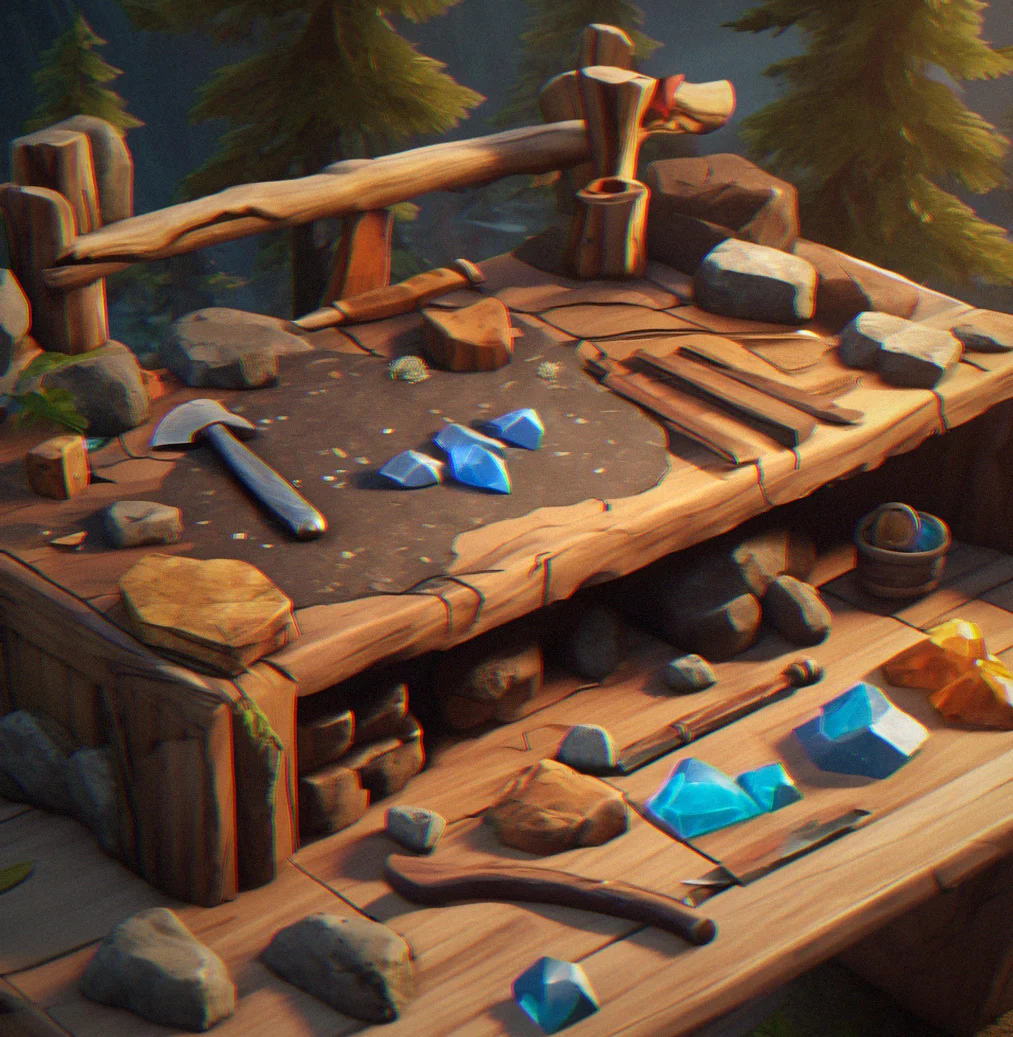
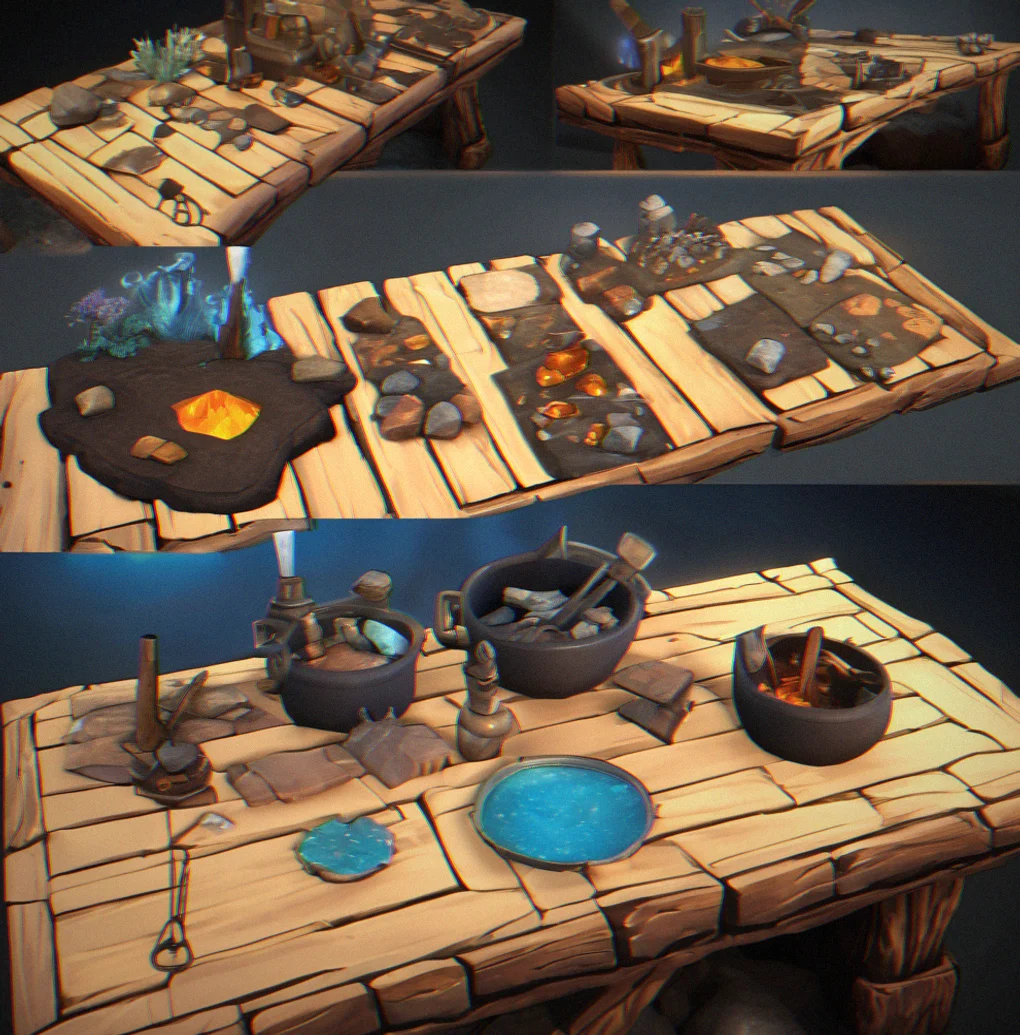
Workbench with basic stone axe and wooden materials scattered across wooden surface
Hour 1: Stone and branches
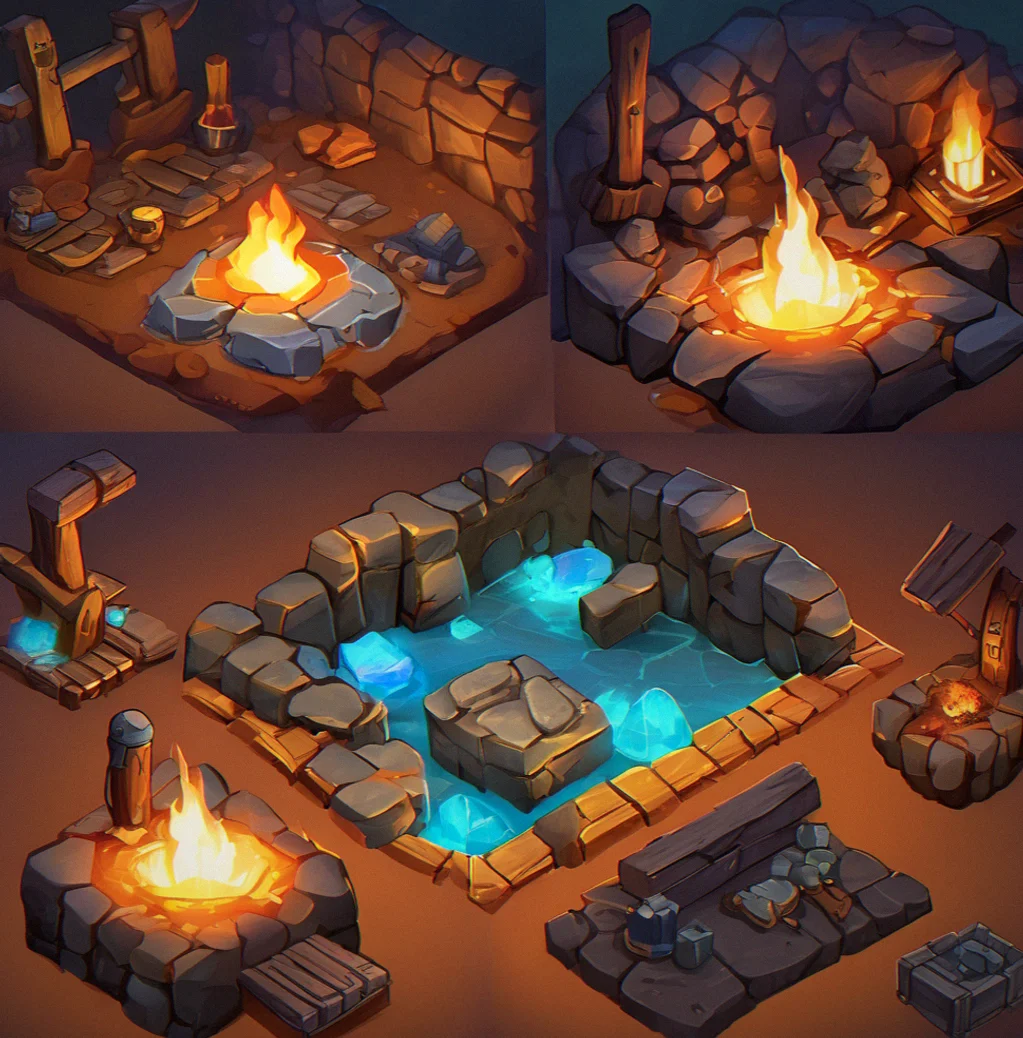
Furnace glowing with copper ore smelting, ingots stacked on nearby anvil
Hour 5: Copper's in the furnace
Player holding bronze sword with visible durability bar showing 300+ uses remaining
Hour 8: You've got a real weapon now
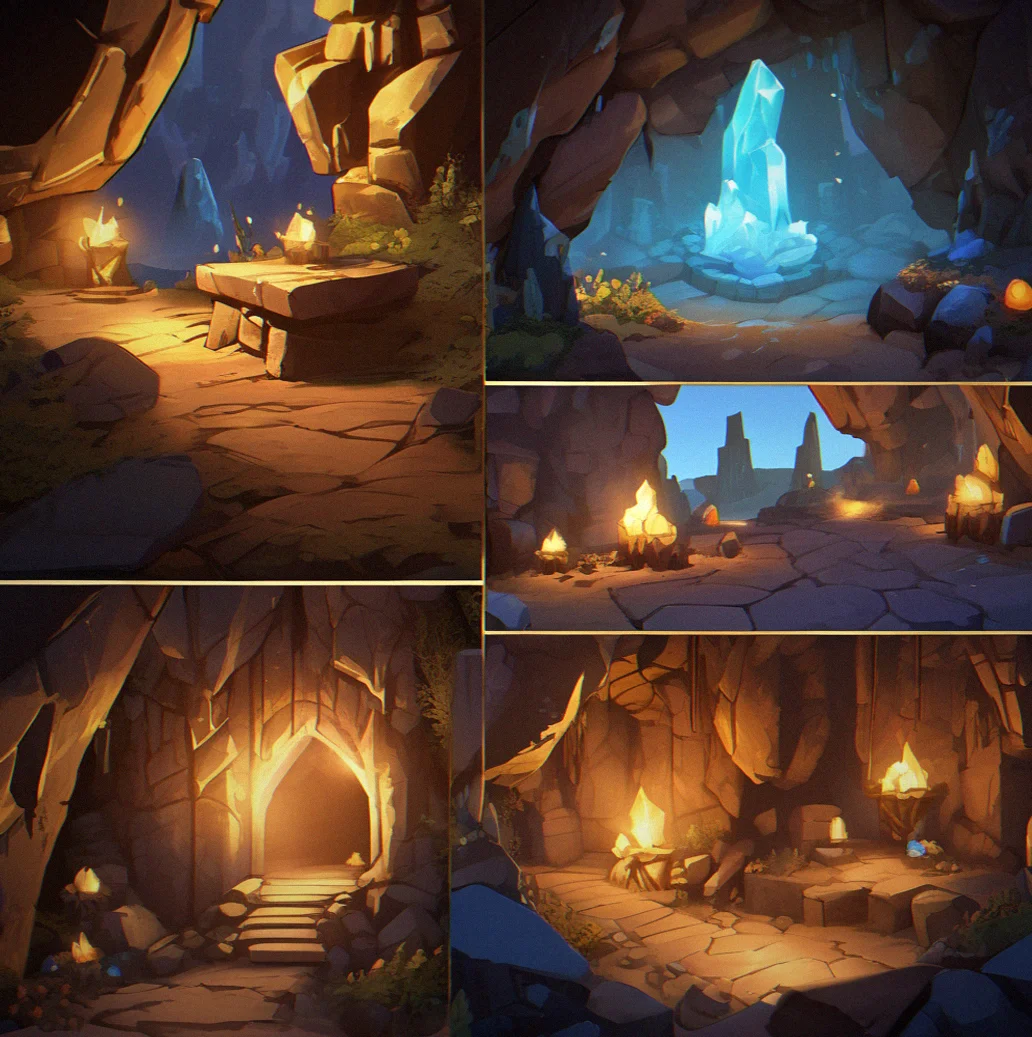
Deep cave entrance with crystal formations glowing faintly in darkness
Hour 12: Better stuff starts showing up
Enchanting altar with starlight core hovering above, three ability icons displayed
Hour 18: Time to pick an enchantment
Player in marketplace trading crafted gear with other players, inventory window open
Hour 20+: Now you're actually trading with people

How the system works

Six core mechanics that shape your progression and how you spend your time.

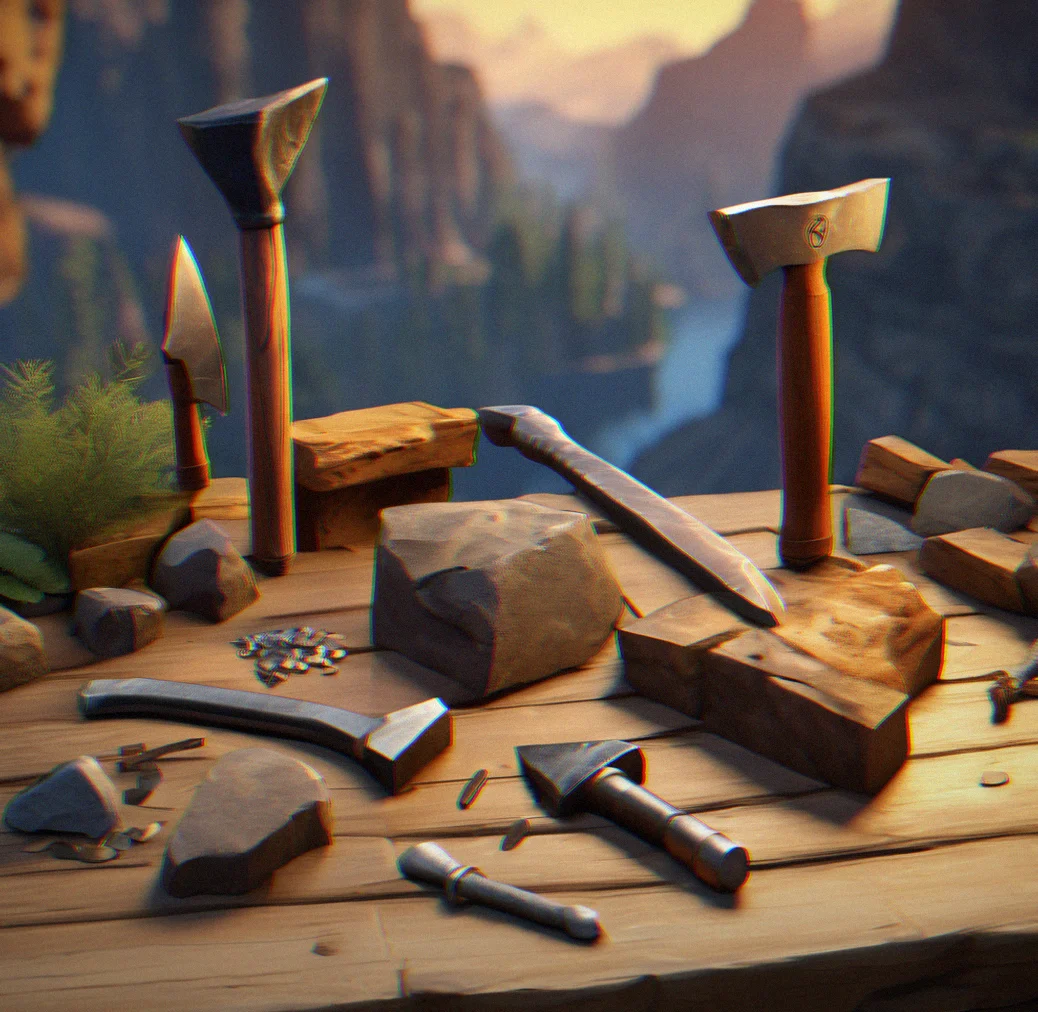
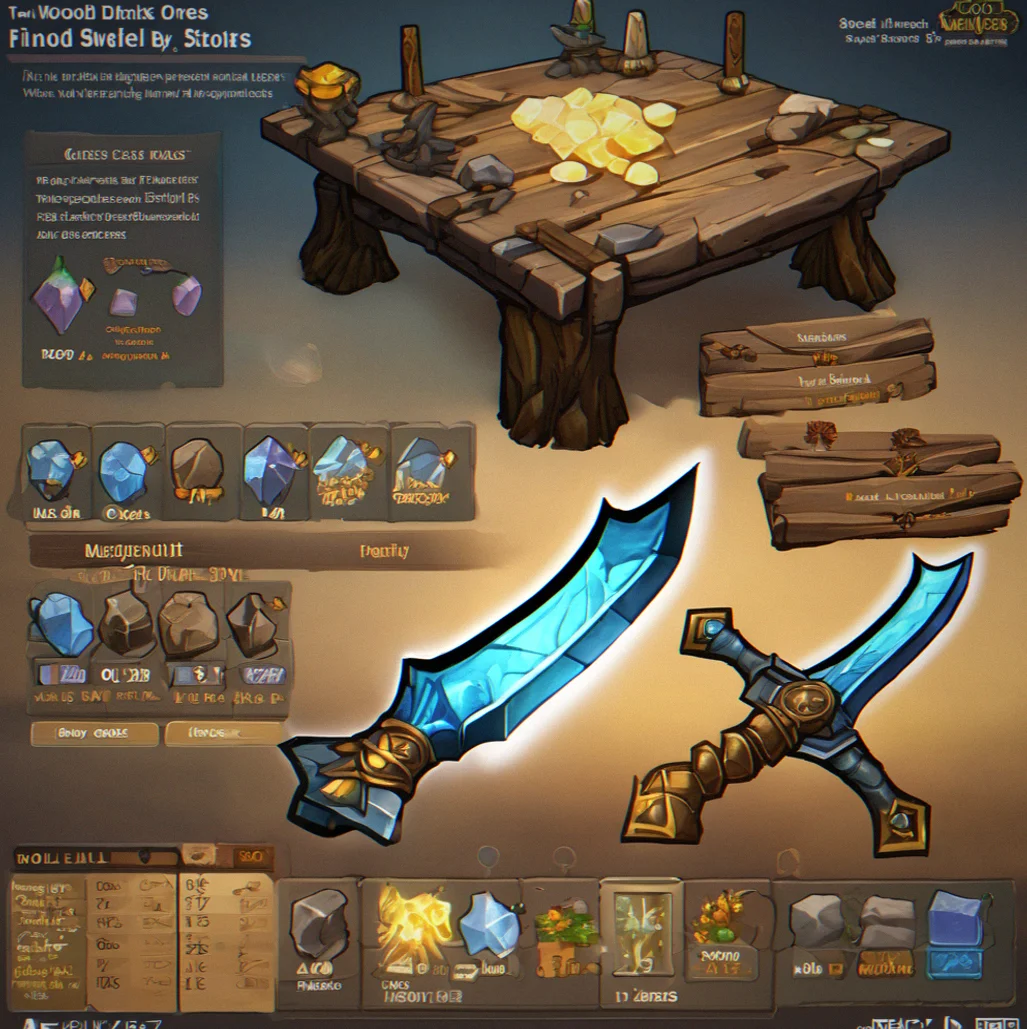
Three crafted tools arranged on workbench showing stone axe, copper axe, and steel axe in progression

Tiered Crafting

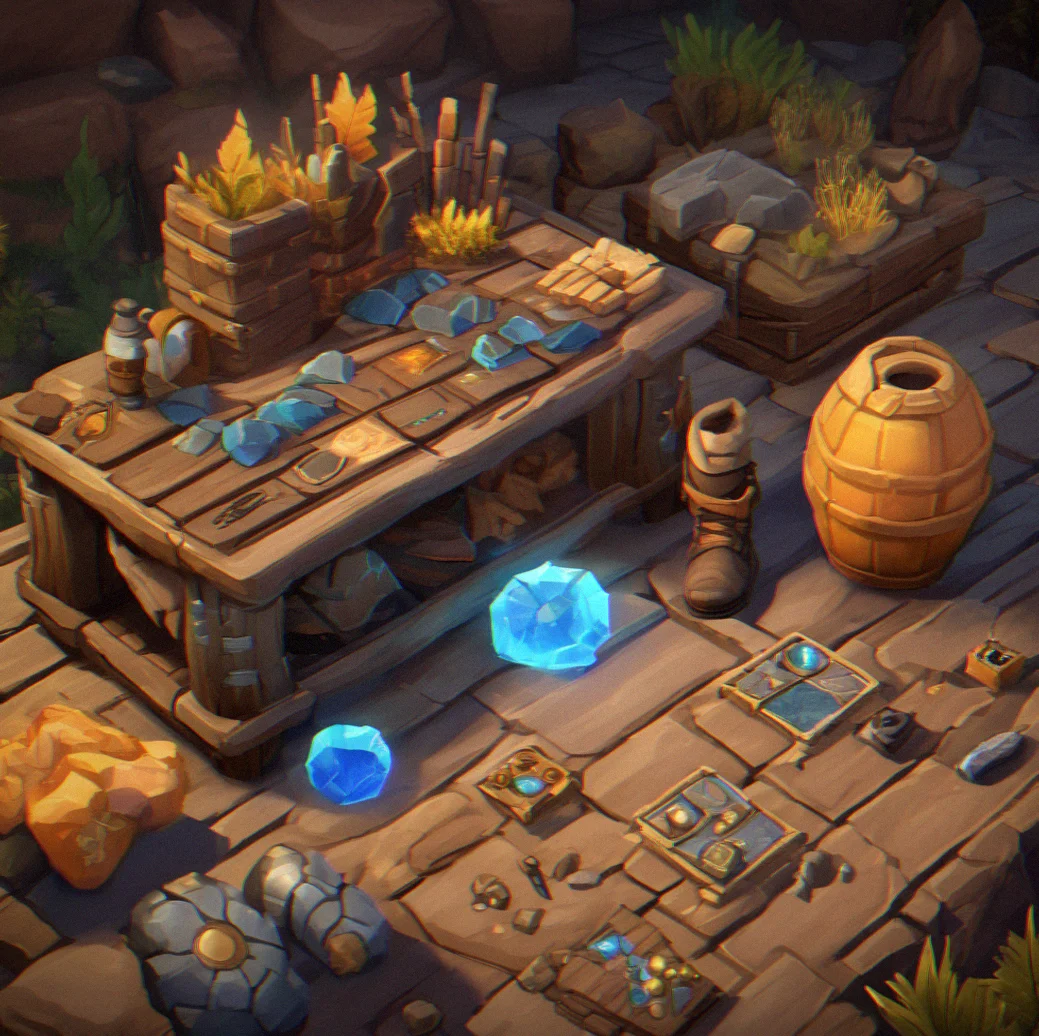
Stone tools get you to copper. Copper gets you to iron. Iron unlocks steel and the rare stuff. Every step up needs a specific biome and takes noticeably longer. You're not staring at a timer—you're out gathering, planning what's next, then actually making it.

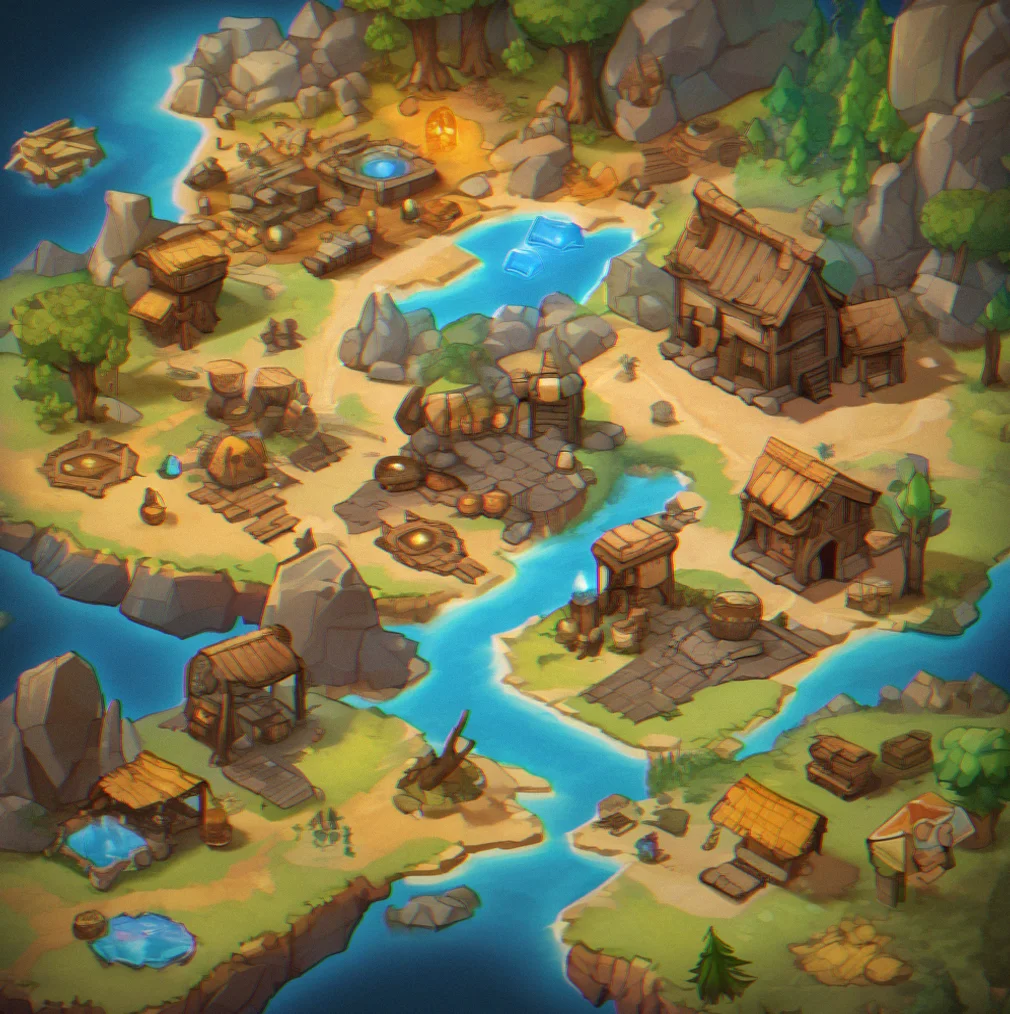
Map showing four colored biome regions with resource icons marked in each area

Biome-Specific Resources

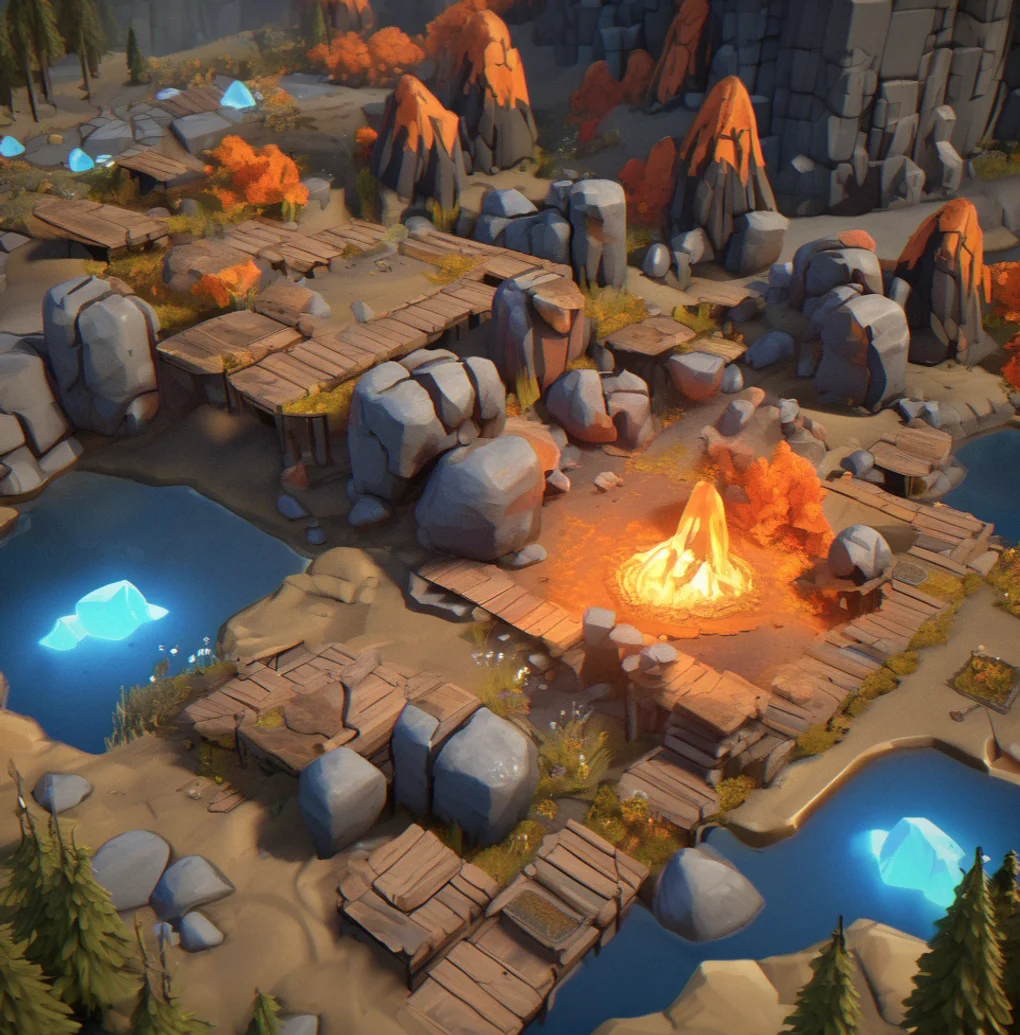
Forest wood doesn't spawn in volcanic regions. Volcanic ore won't show up in marshlands. Materials only grow where they're supposed to. You have to explore different areas and learn what each one has. Makes every biome matter for the long game.

Two identical swords displayed side by side with stat bars comparing damage, speed, and durability values

Visible stat differences

A sword from volcanic ore swings slower but lasts way longer than one from standard ore. You see the numbers. Pick based on what matters to you. More damage per swing or a weapon that doesn't break as fast.

Sequence of four crafting stations showing ore, furnace with glowing ingots, workbench assembly, and polishing cloth

Multi-step assembly

Rare items don't come from one click. You mine ore, smelt it in the furnace, mix the ingots with catalysts, assemble everything at the workbench, then polish it. Multiple stages. Takes a while.

Two players at trading interface exchanging crafted items with currency amounts visible

Player-driven economy

On multiplayer servers you're making things other people want. Prices shift based on what's available. Quality gear has value.

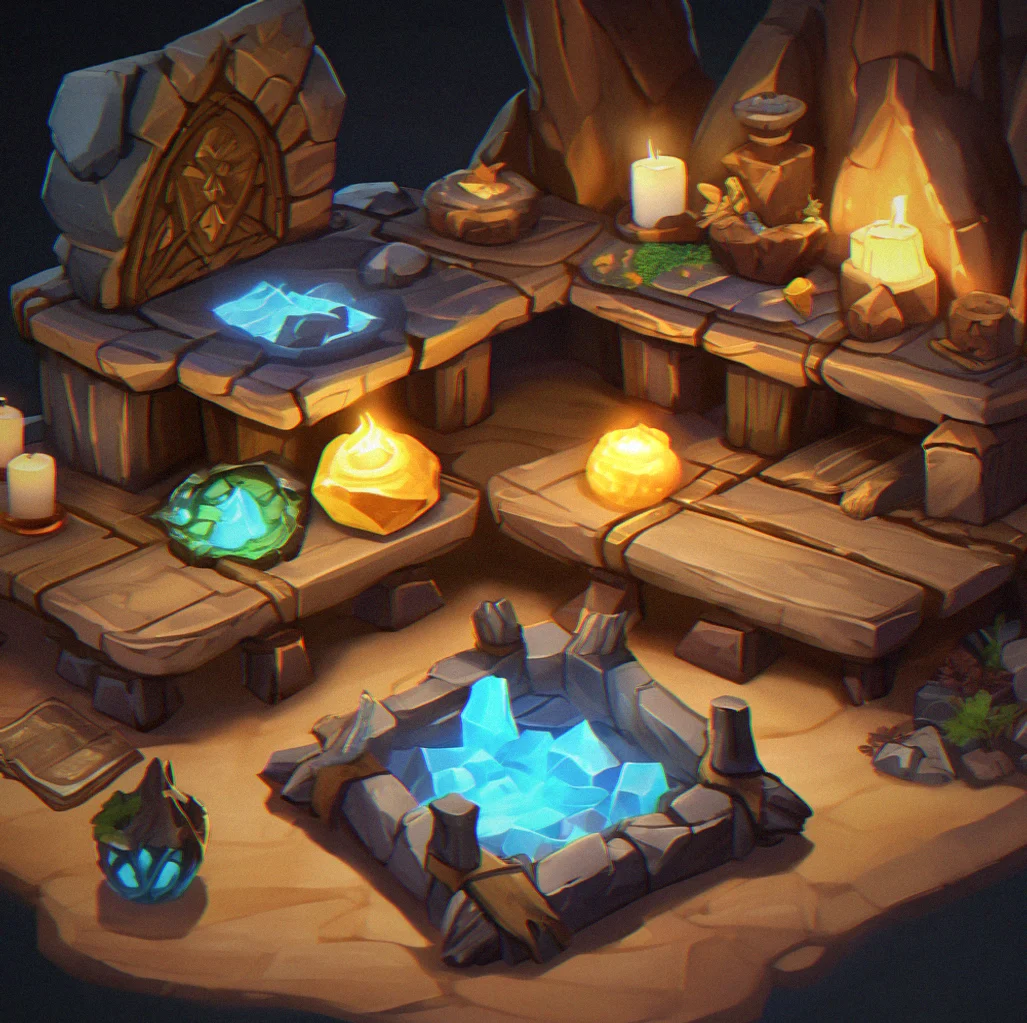
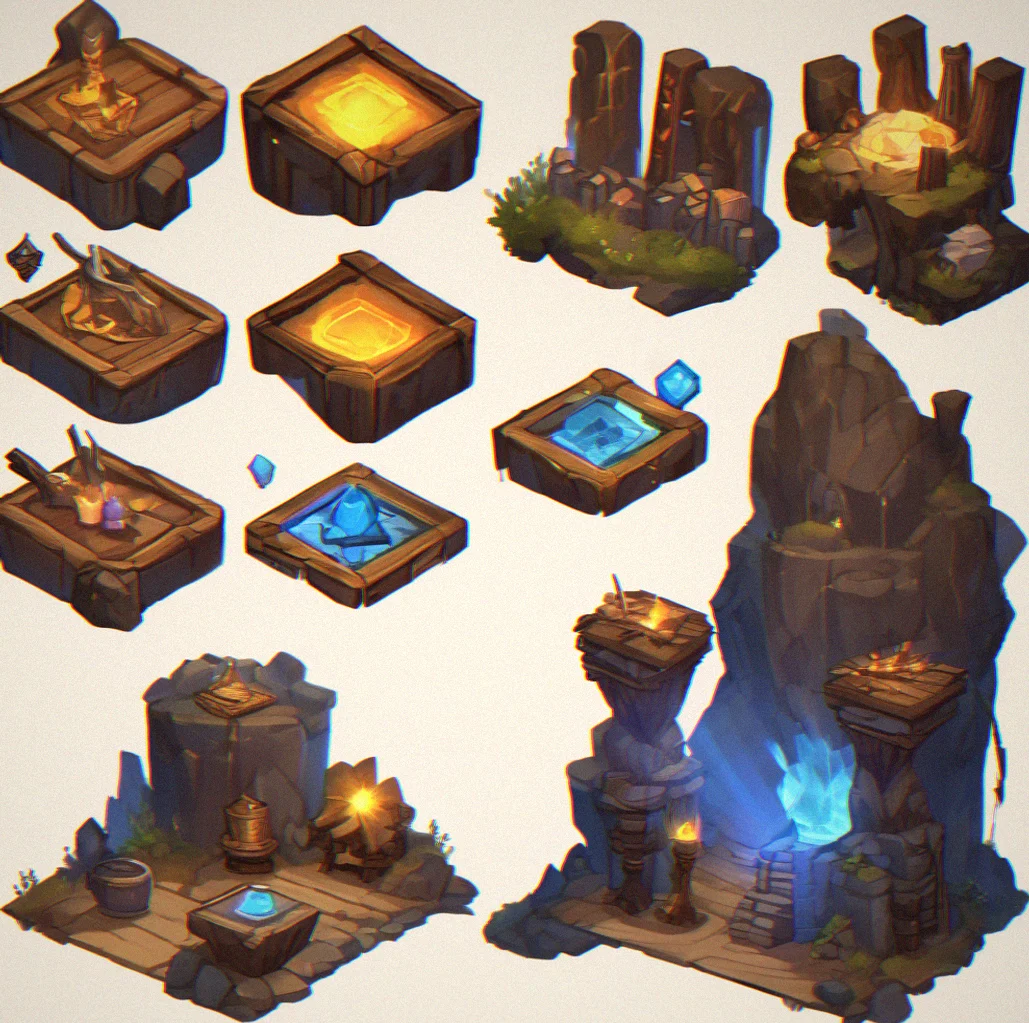
Enchanting altar with three glowing effect icons representing different enchantment options

Enchantment choices

Find a rare core somewhere deep. Enchant a tool with it. Three options show up: critical damage, light emission, or durability boost. You pick one. It sticks. Two players crafting the same item won't end up with the same result.

Building your arsenal

Player holding crude stone axe next to rock outcropping and fallen tree branches

Starting materials

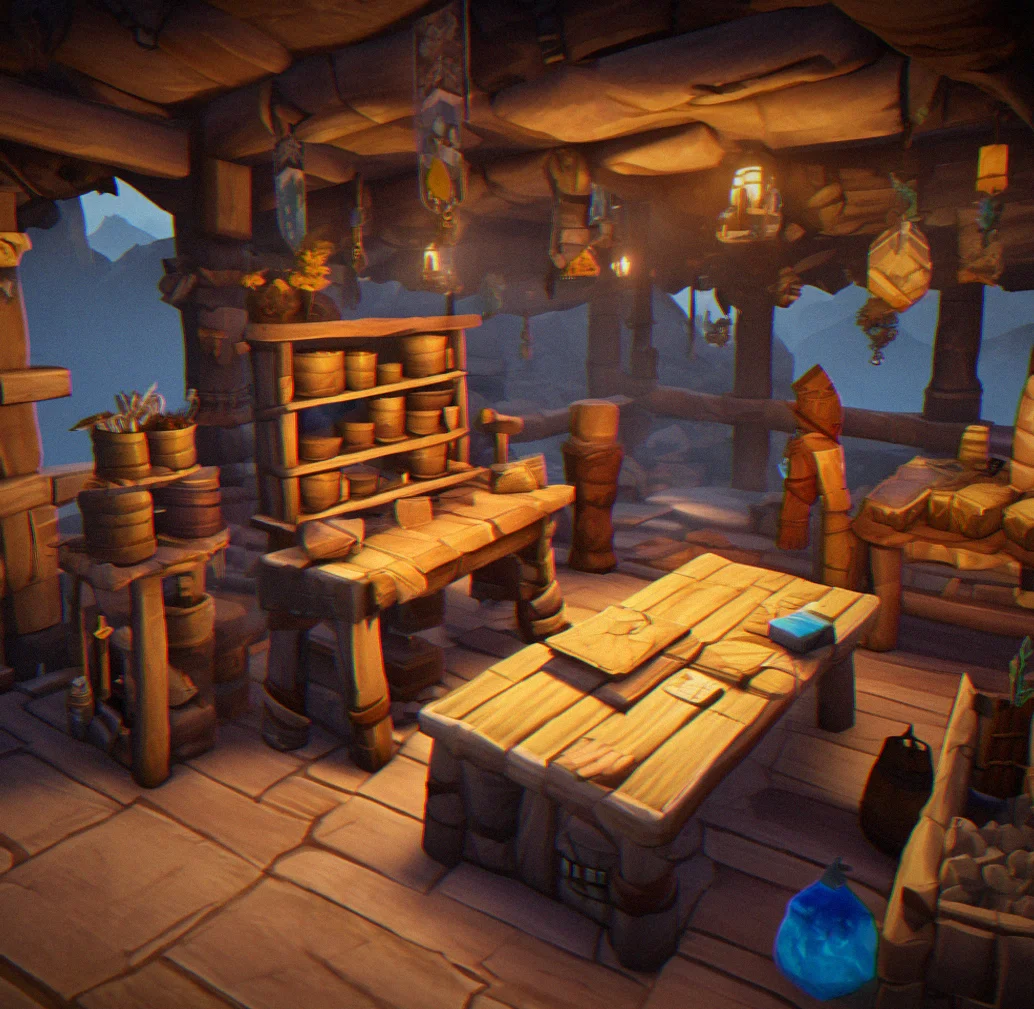
You find stone. You find branches. Sharp rock lashed to wood makes an axe. Takes about five minutes to craft. Lets you gather faster wood and basic ore. Everything starts here.

01
Furnace glowing with copper ore being smelted, finished ingots stacked beside it

Copper extraction

Mine copper ore from foothills. Smelt it in a furnace for less than a minute per batch. Combine five ingots with a branch. You now have a tool that swings faster and lasts longer than stone. Progress feels immediate.

02
Deep mine shaft with iron ore deposits glowing faintly, player with improved pickaxe

Iron tier

Deeper mines. Iron ore requires better tools to harvest. Smelting produces stronger metal. An iron sword hits harder than copper. Not just a number change—enemies you couldn't touch before become manageable.

03
Workbench showing iron ingots and catalyst material being combined into steel

Steel and alloys

Iron alone is good. Combine it with specific materials and it becomes steel. Harder. Lasts longer. You're no longer just gathering—you're understanding material science through gameplay.

04
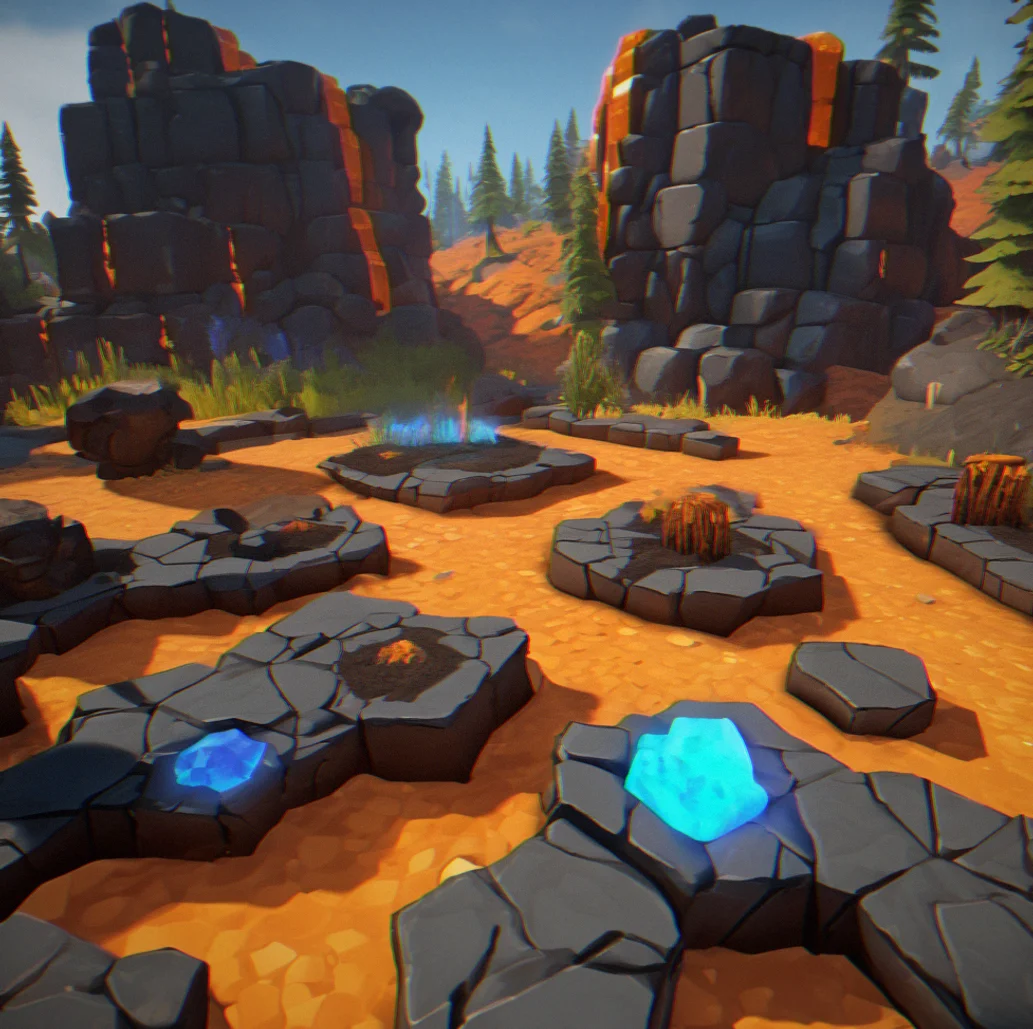
Volcanic landscape with orange glowing ore deposits among dark basalt stone

Volcanic ore advantage

What's the difference between standard iron and ore from volcanic regions? Temperature. Volcanic ore smelts at hotter furnace settings and holds durability better. You'll swing slower but fight longer. Choice matters.

05
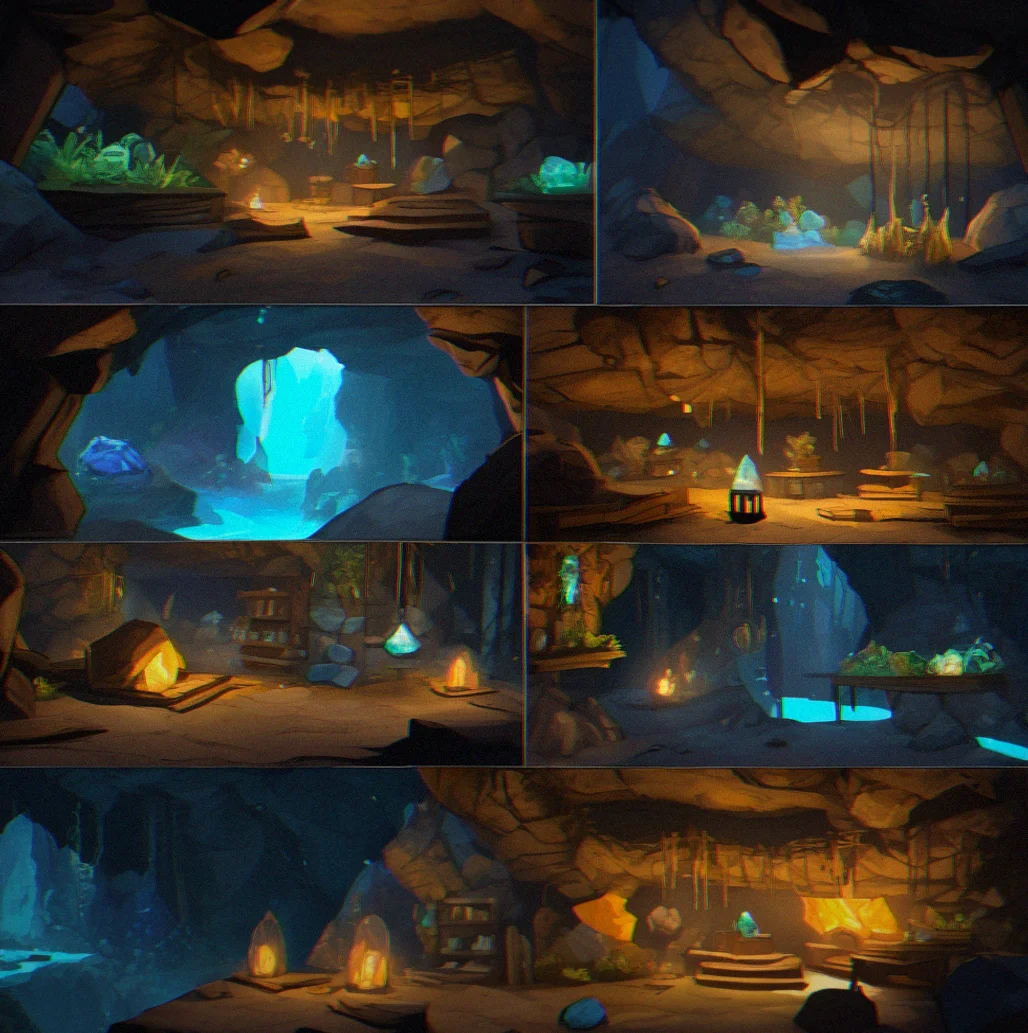
Pitch-black cave chamber with bioluminescent crystals protruding from cave ceiling and walls

Deep cave materials

At serious depth, new resources appear. Crystals. Rare metals. Materials that don't exist anywhere else. Gathering them takes planning. Takes preparation. Takes several hours of progression minimum before you're ready.

06
Enchanting altar with glowing starlight core hovering above, three ability icons displayed

Enchantment cores

They're rare. You might find one after mining a ton of crystals. But when you do, you can enchant a rare weapon with three possible effects. Critical strikes. Light emission. Extended durability. Your choice shapes the item permanently.

07
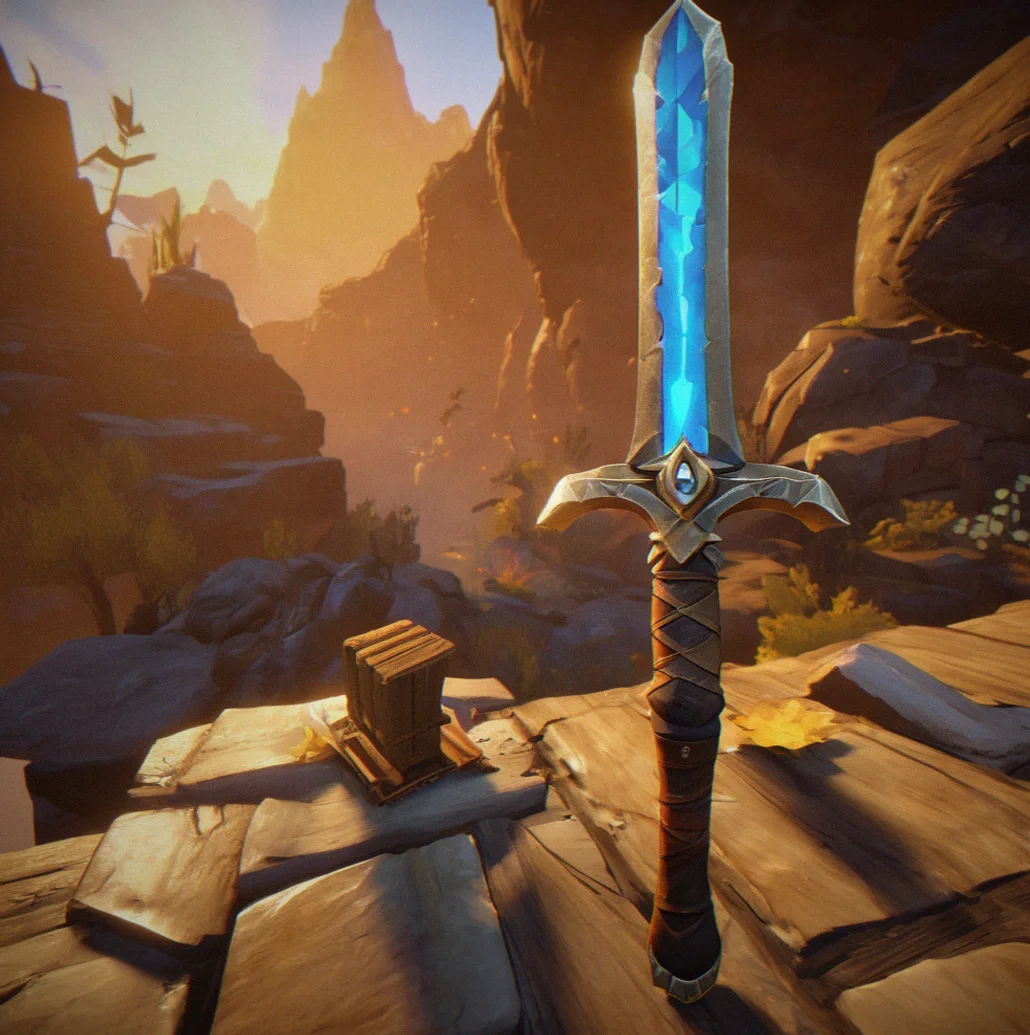
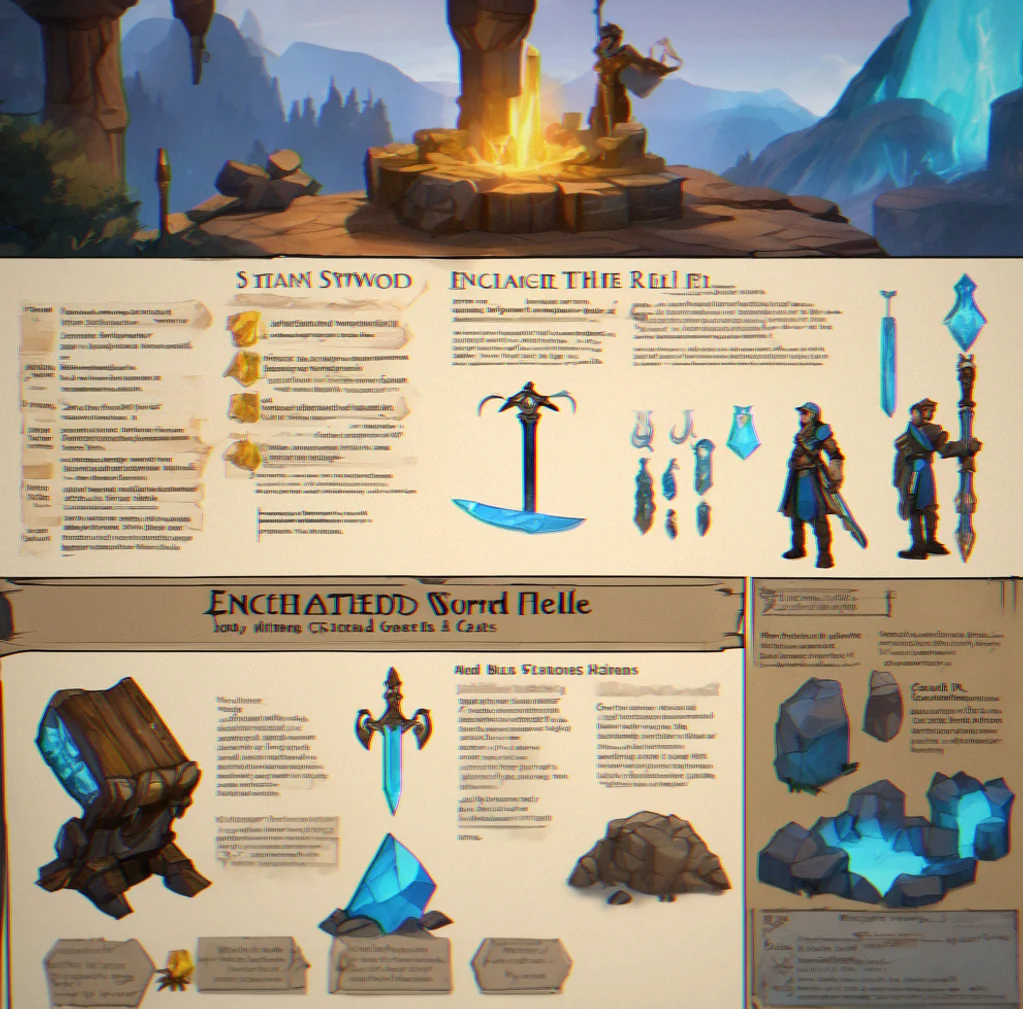
Enchanted sword held aloft with blue glow effect, stat panel showing enhanced damage and critical chance

Rare enchanted gear

The final tier. A starlight blade takes most of an hour to gather materials for, then another chunk of time crafting across five separate stations. It swings faster. Critical more often. Glows. Worth the grind? Ask the handful of players on your server who own one.

08
Two players at trading interface exchanging crafted weapons with gold currency amount visible between them

Trading your crafts

Made extra swords? Someone needs them. Economy on multiplayer servers runs on what players craft and what other players want. Price isn't set by NPCs. It's set by supply, rarity, and how good your work is.

09
Inventory screen showing diverse crafted items: speed-focused light weapons, heavy durability gear and exploration boots

Specialization paths

You don't have to craft everything. Some players optimize for speed—multiple fast weapons, minimal grind. Others chase durability and rare gear. Some build exploration tools instead of weapons. Your crafting choices define your playstyle.

10

Where gathering becomes strategy

Four different biome types, each with materials you can't find anywhere else. Plan your runs. Know what you're after.

Forest clearing with tall pine trees, copper ore visible in rocky outcrop, player holding filled timber bundle

Forest runs

Oak, pine, birch—you'll grab these constantly. Copper deposits near water. Berry bushes for food. After a few hours you can basically do this one on autopilot. You should hit this biome about five times during your first ten hours or so. The wood keeps your furnace fed and you need furnace time to progress.

Volcanic landscape with orange lava rivers, dark basalt Formations, glowing ore deposits embedded in rock face

Volcanic region

The ore here smelts hotter and you get way better grade material. Obsidian shows up for decoration and durability. Sulfur for catalysts. The terrain's punishing though—lava flows everywhere and heat damage is real. Don't rush here. You'll need intermediate tools first, but once you're ready the materials you pull out are a solid five times better than standard ore.

Underground cavern with bioluminescent crystal formations glowing blue and purple, player with torch illuminating dark passages

Deep caves

Crystals, rare metals, the best loot you can find. The catch is complete darkness. You need torches, weapons, and honestly a solid plan before you go past around 150 meters down. Get to 200 and that's where enchantment materials start appearing. Worth the risk if you actually know what you're after.

Swampy wetland with murky water, tall reeds, iron ore scattered across muddy ground, player collecting materials

Marshlands

Bog iron everywhere—it's weaker material but you get so much of it. Rare plants grow here. The water's poisonous so skip the drinking. Flat ground means you can move fast and gather huge quantities without dealing with rocky slopes slowing you down. Best place if you need bulk farming and don't care about quality.

How the crafting loop works

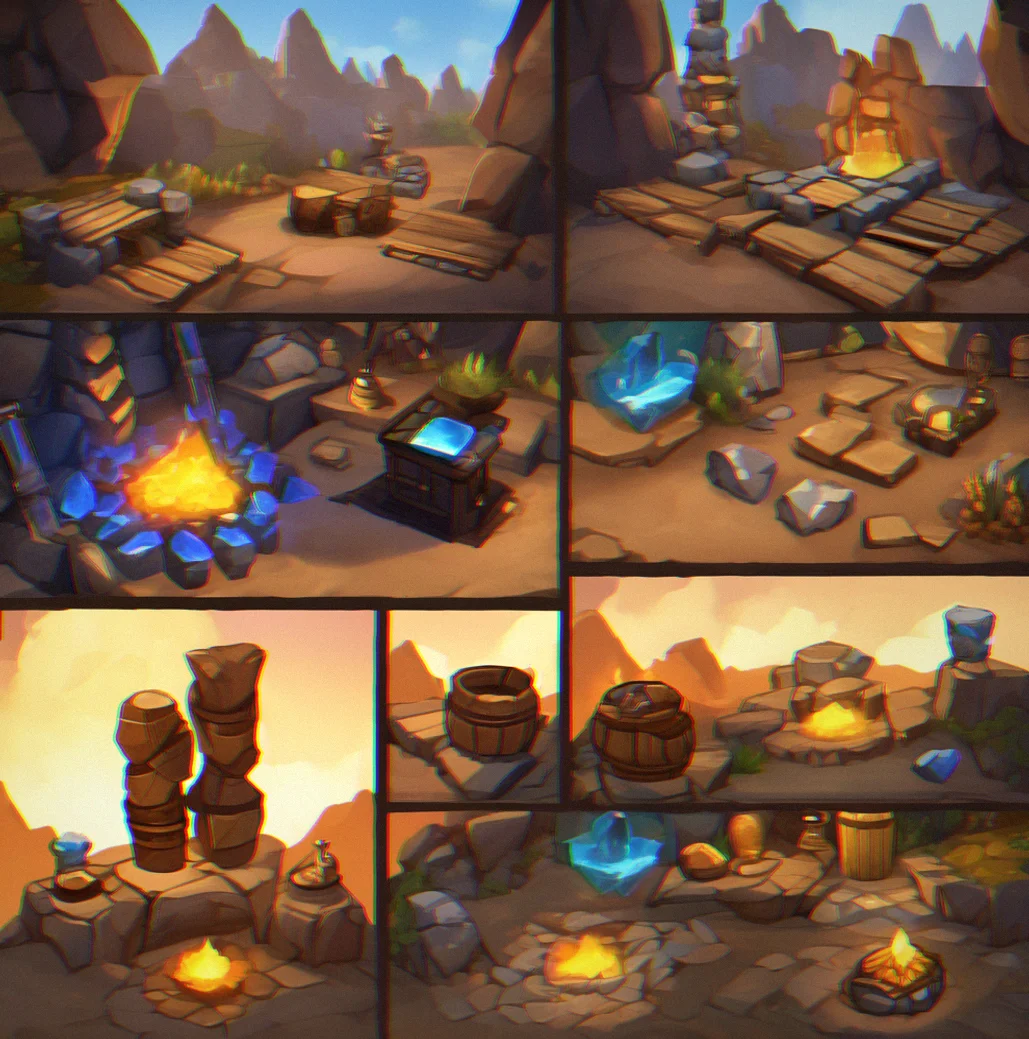
Player in forest with axe, surrounded by felled logs and stone deposits

Gather raw materials

You head into the forest and start chopping trees, mining stone, picking up whatever the biome has lying around. It takes a while. Intentionally. Learning the world happens while you're gathering.

Multiple crafting stations arranged in workshop: furnace glowing, workbench with tools, anvil with hammer

Prepare at workstations

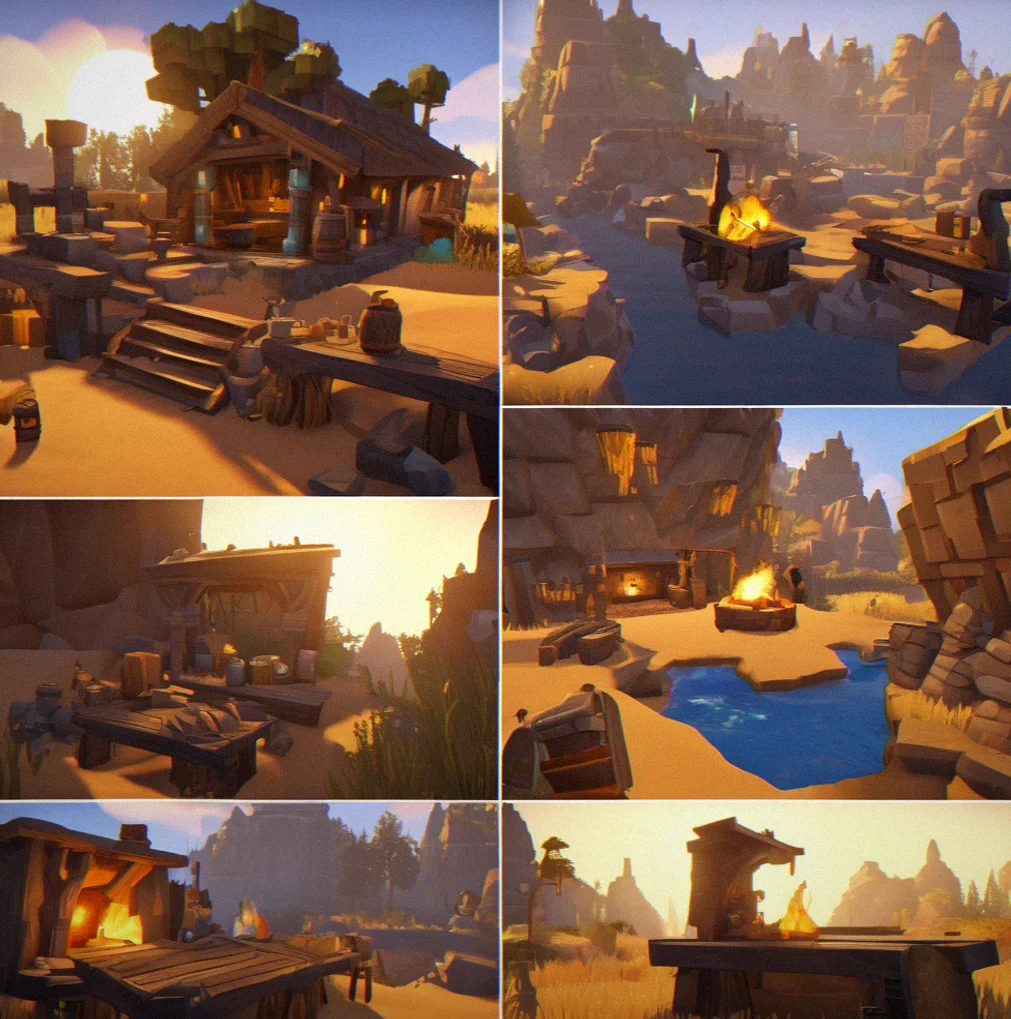
Throw your materials into furnaces, workbenches or anvils. Each station handles one job — furnaces melt ore into ingots, workbenches combnie pieces, anvils toughen edges. You can't cut corners. Understanding what each step does is the whole point.

Three basic tools displayed on wooden workbench: stone axe, copper pickaxe, wooden shovel

Craft your first tier

Stone axe. Copper pickaxe. Wooden shovel. Nothing fancy, but they work and unlock better materials. Faster gathering too.

Player standing at cave entrance holding upgraded pickaxe, iron ore visible in shadowed rock wall

Hunt intermediate materials

With better tools in hand, you can reach deeper ore veins, denser wood patches and materials that weren't available before. Iron deposits show up in caves. Oak trees grow in specific regions. Sulfur hides in volcanic areas. New places open up.

Character equipped with steel sword and armor set, stat panel visible showing damage and durability values

Build intermediate gear

Iron sword and steel armor feel noticeably better than what you had. Faster swings. Lasts longer. Hits harder. You'll notice the difference the moment you use them.

Dark cave chamber with glowing blue crystals protruding from walls, player holding torch and enchantment core

Explore for rare drops

Deep caves hold rare cores, crystals and enchantment materials. Finding them means actually exploring, taking risks and being prepared. They don't drop often. Scarcity matters.

Enchanted sword glowing with blue magical aura, enchanting altar in background with three ability icons displayed

Craft rare enchanted gear

Combine those rare materials and you get gear with actual effects. Critical strikes. Light that follows you. Durability that doesn't tank. A single core transforms how a tool behaves and shapes what kind of player you become.

Gameplay Questions

Questions about Clearcraft

Straight answers on progression, how crfating works, and how much time you'll spend gathering. No BS.

  • You're looking at around 20 hours to craft your first rare enchanted item if you know what you're doing. First time through? 30 hours probably, because you'll wander and that's normal. You're figuring out how everything works.

  • Yeah. Gathering is what the game is about. Hate mining and chopping trees? This might not click for you. The loops are built to feel like they mean something though — you're gathering specific stuff for specific reasons, not just watching numbers climb.

  • Solo campaign works fine. Multiplayer lets you trade and deal with the economy, but you don't need it. Playing alone means you move at your own speed and skip worrying about what items cost.

  • Volcanic ore lasts longer than standard ore but takes forever to smelt and needs better tools to pull from the ground. Deep-cave crystals are hard to find and you need them for enchantments. Different materials do different jobs — keep what you're actually using.

  • You've got a tool you don't want. Sell it to someone else if you're online, or throw it in a furnace for some materials back. Nothing breaks permanently. Just means you learned something.

  • No ceiling. You keep gathering and crafting as long as you want. Higher biiomes unlock better materials but the pattern doesn't change.

  • Yeah, they do. A 12-damage sword plays nothing like an 8-damage one. You'll feel it in real fights. Enemies that wreck you with basic gear become manageable once you upgrade. Stats aren't just numbers.